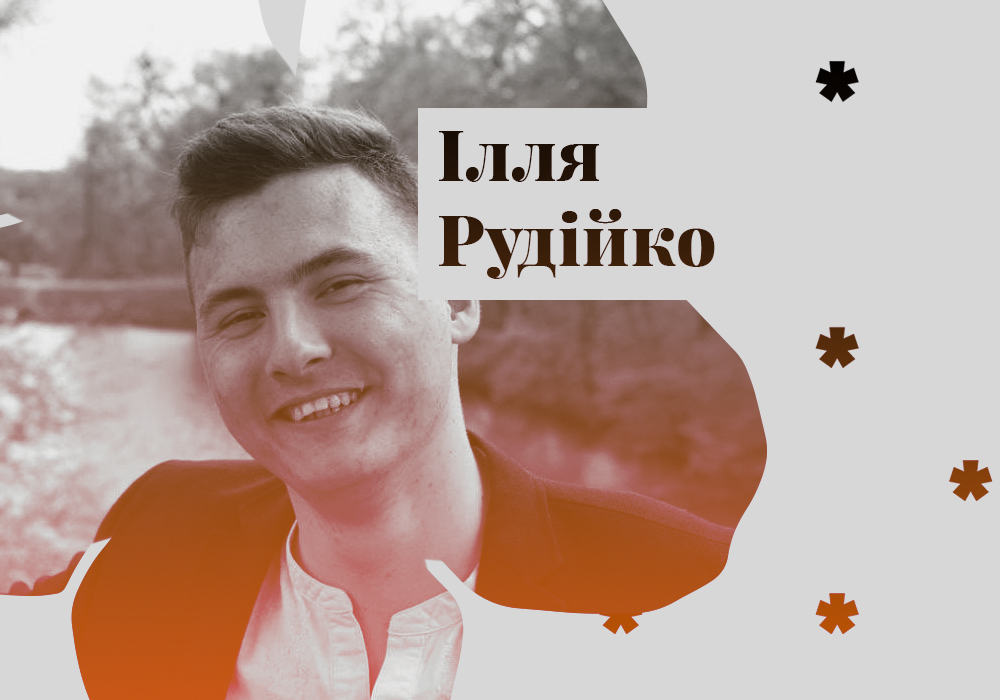
TATI’S TRANSLATIONS // Young Ukrainian Poets: Illia Rudijko

Tati Translates Illia Rudijko

Literary classics aren’t always created by the greying elder statesmen and women of the writing world. You know the ones. They’re all wise and wrinkly and impassive, and woe betide the scholar who dares mount an honest critique of their bodies of work.

You see, literary classics are also written by upstart youngsters. These youngsters are full of vitality and creativity. They live fully awake and fully aware during these very difficult times. Nothing escapes their notice and they’re unafraid to share what they really think. They walk among us right now, breathing, smiling and crying, loving and hating, experiencing the full range of their humanity without apology.

This series presents names that you won’t find in textbooks or on Wikipedia, but these are the very youngsters who are creating modern Ukrainian literature right now. Trust us, you will want to check them out because it’s only a matter of time before they become household names. When we go back to these writers in two hundred years, we have no doubt that they’ll be mentioned in the same breath as luminaries such as Taras Shevchenko and Lesya Ukrainka.

/Kateryna: girding the world/

i taped up the windows with scotch tape
so
when it explodes
the carpet won’t be sown with
glass debris
’cause suddenly they will sprout

i taped up the fish tank with scotch tape
so
when it explodes
it won’t leak
the shadows of sunk fish

i taped up the mirror with scotch tape
so
when it explodes
i will still be able to see
in my home
myself

i taped up a frame with scotch tape
but
with the black one
and only one corner of the photo

the only thing
for which the scotch tape ran out
it’s me
so, i stand broken
with my forehead cracked up
and space goes through me
like through a smashed windowpane

/Катерина: підперезування світу/

я заклеїла вікна скотчем
аби
коли вибухне
килим не всіяло
уламками скла
бо раптом ще проростуть

я заклеїла акваріум скотчем
аби
коли вибухне
звідти не витекли
тіні потоплених риб

я заклеїла дзеркало скотчем
аби
коли вибухне
я ще змогла побачити
у себе вдома
себе

я заклеїла рамку скотчем
але
чорним
і тільки в куті фотографії

єдине
на що забракло скотча
це я
тож стою розбита
з потрісканим чолом
і простір проходить крізь мене
ніби крізь вибиту шибку

Original poem by ILLIA RUDIJKO
Translation by TETIANA ALEKSINA

© All rights reserved 2024

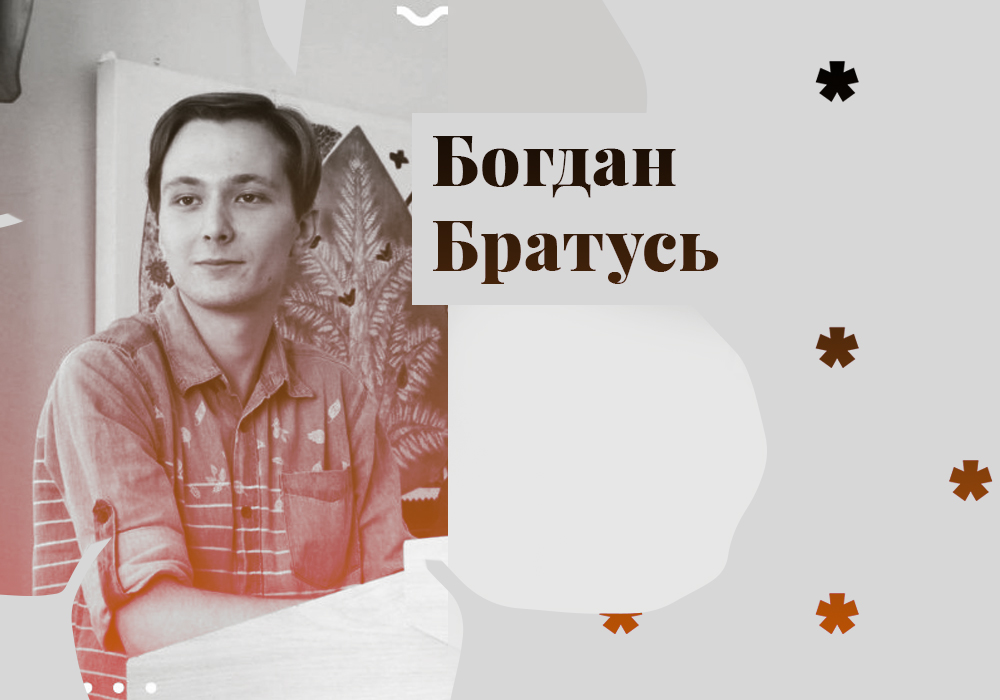
TATI’S TRANSLATIONS // Young Ukrainian Poets: Bohdan Bratus

Tati Translates Bohdan Bratus

Literary classics aren’t always created by the greying elder statesmen and women of the writing world. You know the ones. They’re all wise and wrinkly and impassive, and woe betide the scholar who dares mount an honest critique of their bodies of work.

You see, literary classics are also written by upstart youngsters. These youngsters are full of vitality and creativity. They live fully awake and fully aware during these very difficult times. Nothing escapes their notice and they’re unafraid to share what they really think. They walk among us right now, breathing, smiling and crying, loving and hating, experiencing the full range of their humanity without apology.

This series presents names that you won’t find in textbooks or on Wikipedia, but these are the very youngsters who are creating modern Ukrainian literature right now. Trust us, you will want to check them out because it’s only a matter of time before they become household names. When we go back to these writers in two hundred years, we have no doubt that they’ll be mentioned in the same breath as luminaries such as Taras Shevchenko and Lesya Ukrainka.

A poem about November

Again, I’ve lived until the Fall
Though last November
the way felt insurmountable
The Father says
the Winter will be tough
so, we should do the
canning
The poems are the same
‘bout November
I start to write in July

Вірш про листопад

Знову дожив до осені
Хоча минулого листопаду
нездоланним здавався шлях
Каже батько
що зима буде важка
тож треба робити
закрутки
Так само вірші
про листопад
починаю писати з липня

Original poem by BOHDAN BRATUS
Translation by TETIANA ALEKSINA

© All rights reserved 2024

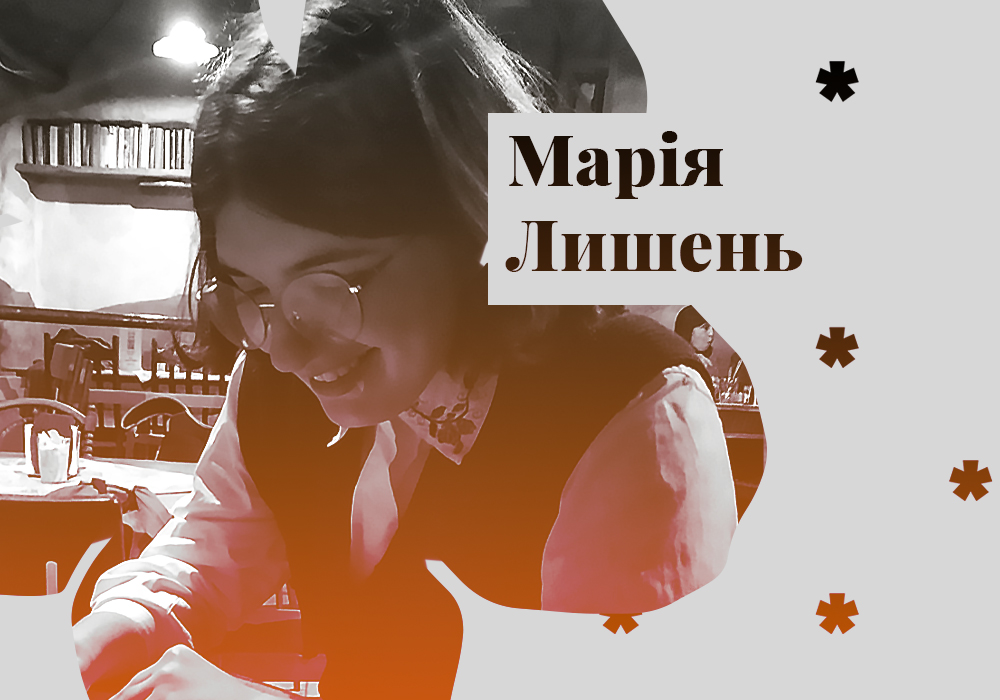
TATI’S TRANSLATIONS // Young Ukrainian Poets: Mariia Lyshen

Tati Translates Mariia Lyshen

Literary classics aren’t always created by the greying elder statesmen and women of the writing world. You know the ones. They’re all wise and wrinkly and impassive, and woe betide the scholar who dares mount an honest critique of their bodies of work.

You see, literary classics are also written by upstart youngsters. These youngsters are full of vitality and creativity. They live fully awake and fully aware during these very difficult times. Nothing escapes their notice and they’re unafraid to share what they really think. They walk among us right now, breathing, smiling and crying, loving and hating, experiencing the full range of their humanity without apology.

This series presents names that you won’t find in textbooks or on Wikipedia, but these are the very youngsters who are creating modern Ukrainian literature right now. Trust us, you will want to check them out because it’s only a matter of time before they become household names. When we go back to these writers in two hundred years, we have no doubt that they’ll be mentioned in the same breath as luminaries such as Taras Shevchenko and Lesya Ukrainka.

Untitled

When you have no idea what to do –
Burn your notes.
Burn your notes.
And tear apart the drawings where you’re
A girl cosmonaut.
Toss out the windows those foreign books
Your daddy brought from Cuba.
Look for yourself, you look for self
At a landfill.
Though it’s hot!
Though it’s wet!
Though your knees are shaking!
Though you feel like a painful ruin!
Though you’re mere sea foam!
Though a ghost, though half human –
Life isn’t enough to comprehend
That you’re alive.
Adjust your tie,
Get up and go and pay existence’s taxes.
When you come back –
Burn your notes, again.

Без назви

Коли що робити не матимеш гадки –
Пали нотатки.
Пали нотатки.
І рви малюнки, на яких ти
В ролі космонавтки.
Жбурляй із вікон іноземні книжки,
Що з Куби привіз татко.
Шукай себе, себе шукай
На сміттєзвалищі.
Хоч жарко!
Хоч вогко!
Хоч тремтять коліна!
Хоч ти болючая руїна!
Хоч ти всього лиш моря піна!
Хоч привид, хоч напівлюдина –
Життя замало, щоб пізнати,
Що ти жива.
Розправ краватку,
Вставай і йди платити за буття податки.
Потім повернешся –
І знов пали нотатки.

Original poem by MARIIA LYSHEN
Translation by TETIANA ALEKSINA

© All rights reserved 2024

TATI’S TRANSLATIONS // Young Ukrainian Poets: Artem Serhiienko

Tati Translates Artem Serhiienko

Literary classics aren’t always created by the greying elder statesmen and women of the writing world. You know the ones. They’re all wise and wrinkly and impassive, and woe betide the scholar who dares mount an honest critique of their bodies of work.

You see, literary classics are also written by upstart youngsters. These youngsters are full of vitality and creativity. They live fully awake and fully aware during these very difficult times. Nothing escapes their notice and they’re unafraid to share what they really think. They walk among us right now, breathing, smiling and crying, loving and hating, experiencing the full range of their humanity without apology.

This series presents names that you won’t find in textbooks or on Wikipedia, but these are the very youngsters who are creating modern Ukrainian literature right now. Trust us, you will want to check them out because it’s only a matter of time before they become household names. When we go back to these writers in two hundred years, we have no doubt that they’ll be mentioned in the same breath as luminaries such as Taras Shevchenko and Lesya Ukrainka.

field

what to do when a field seeped into
a warrior’s pores so deep
that any cut can’t get through
any bullet or sword
maybe only the words
of a loving mother
but they are in vain
the field now worries for self
existence
and self
awareness
they start to dig into the warrior
defenses trenches canals
for tears and melted aluminum
they fly above the warrior
ravens shells hands grenades screams
they fall into the grass
of the warrior’s heart
until a cherry tree grows up through the back of the head
with iron berries

поле

що робити коли поле всоталося
в пори воїна настільки глибоко
що його не дістане жоден поріз
жодна куля чи меч
хіба що слова
люблячої матері
правда ті недоречні
поле хвилюється вже за своє
існування
і само
усвідомлення
у воїні починають копати
окопи траншеї канали
для сліз і розплавленого алюмінію
над воїном летять
круки снаряди руки гранати крики
падають у траву
воїнського серця
допоки з потилиці не виросте вишня
залізними ягодами

Original poem by ARTEM SERHIIENKO
Translation by TETIANA ALEKSINA

© All rights reserved 2024

TATI’S TRANSLATIONS // Young Ukrainian Poets: Yuliia Yaskova

Tati Translates Yuliia Yaskova

Literary classics aren’t always created by the greying elder statesmen and women of the writing world. You know the ones. They’re all wise and wrinkly and impassive, and woe betide the scholar who dares mount an honest critique of their bodies of work.

You see, literary classics are also written by upstart youngsters. These youngsters are full of vitality and creativity. They live fully awake and fully aware during these very difficult times. Nothing escapes their notice and they’re unafraid to share what they really think. They walk among us right now, breathing, smiling and crying, loving and hating, experiencing the full range of their humanity without apology.

This series presents names that you won’t find in textbooks or on Wikipedia, but these are the very youngsters who are creating modern Ukrainian literature right now. Trust us, you will want to check them out because it’s only a matter of time before they become household names. When we go back to these writers in two hundred years, we have no doubt that they’ll be mentioned in the same breath as luminaries such as Taras Shevchenko and Lesya Ukrainka.

Untitled

i didn’t believe in god then and won’t ever believe for sure
the mines grow up between us, hellish vermilion dots
the air bites your chest and penetrates the dermis like a stone
you will be able to exhale when it’s over, probably

and you know, it’s better to not look up when it rains
hold closer the bulletproof vest, open your umbrella
and play tic-tac-toe, always start with the center
they have already invented this rule – step between alive and dead
keep your fire close, don’t let it fall down
because when it has gone out – they again will take it away
your parents and cultural memory, all the streets of your hometown
you know, the dragon is hungry and will devour mercilessly

everything they can’t take, moreover create on their own
you step closer to the dragon, submit our flowers
caress their coarse scales with your bare hands
there is no one in the sky, so just behead the dragon

Без назви

не вірила в бога і вже не повірю точно
між нас поростають міни, багряно-пекельні точки
повітря кусає груди і каменем входить в дерму
а видих зробити зможеш коли це скінчиться, певне

і знаєш, коли дощить не варто дивитись вгору
притисни бронежилет, розкрий свою парасолю
і грайся у хрестики-нулики, завжди починай ізсередини
це правило вже придумали – ходи між живими й мертвими
тримай свій вогонь при собі, не дай йому впасти долу
бо тільки-но він погасне – у тебе відіймуть знову
батьків і культурну пам’ять, всі вулиці твого міста
ти знаєш, дракон голодний і буде нещадно їсти

все те, що не в змозі взяти, а надто – самим створити
підходь же до нього ближче, подай йому наші квіти
погладь по загрублій лусці своїми руками голими
у небі нікого немає, тож просто зітни йому голову

Original poem by YULIIA YASKOVA
Translation by TETIANA ALEKSINA

© All rights reserved 2024